( +27) 73 404 8834
info@langatours.co.za
Walk the Soul of Cape Town
Langa is more than a tour; it is the transformative soul that gives Cape Town’s spectacular scenery its essential context, instantly converting your presence into a powerful investment in a thriving, circular economy of hope.
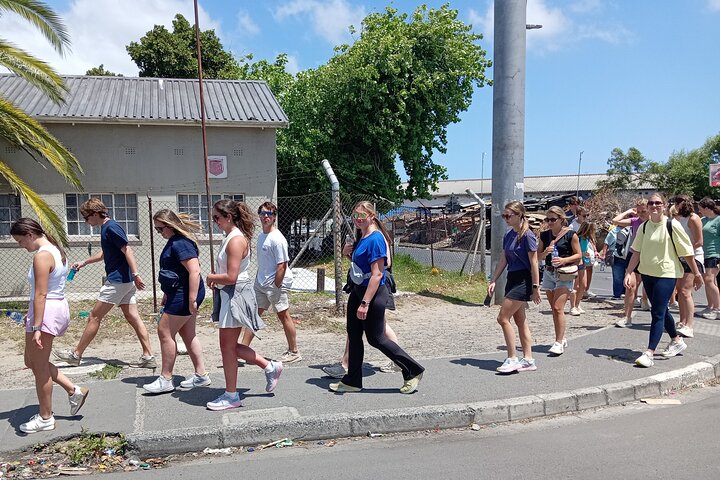
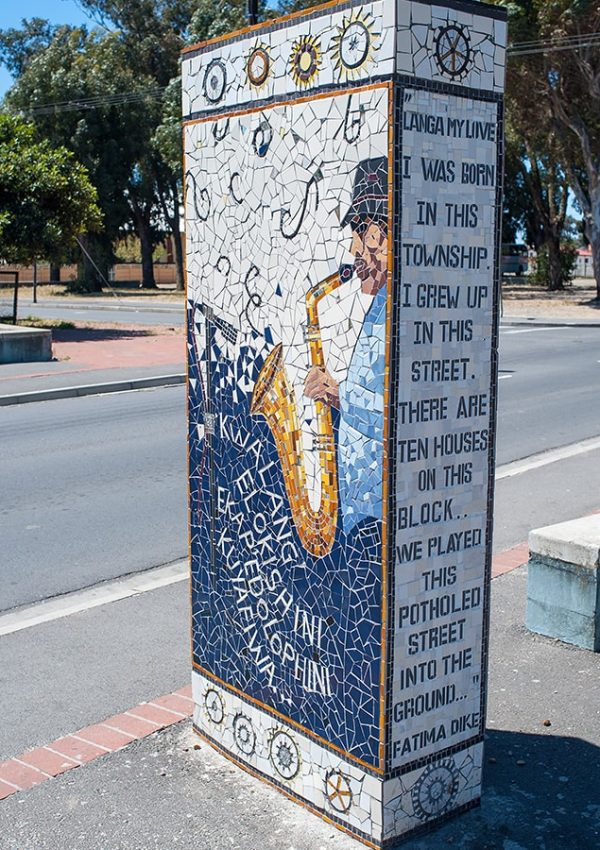
You arrive in Langa and the first thing you notice is the colour. Murals bloom on tower blocks, mosaics trace the path into civic buildings, drumbeats leak from community centres.
Langa, meaning “sun” in isiXhosa, was formally opened in 1927. Its creation was a direct result of the 1923 Urban Areas Act (often associated with the Apartheid-era “pass laws”), which aimed to enforce racial segregation and control the movement of Black Africans. It was designated as a separate residential area for Black workers employed in Cape Town.
The Name’s Origin: While the Xhosa word means “sun,” the township was named in honour of Chief Langalibalele, a renowned Amahlubi chief and rainmaker who was imprisoned on Robben Island in 1873 for rebelling against the Natal government.
The story of Langa is a sun-and-shadow tale of resistance, creativity and ordinary people keeping culture alive under enormous pressure.
We don’t sell sightseeing - we offer soul-seeing.
Local & Vetted Tour guides who grew up in Langa.
Despite its oppressive origins, Langa became a focal point for the struggle against apartheid. It became home to thousands of migrant workers who arrived in Cape Town in search of work. The very streets and hostels were designed to control movement, labour and lives, to make people visible to employers and invisible to the privileges of the city. The pass (dompas) system, hostel regimes and restricted residency were daily realities that demanded courage, ingenuity and quiet resistance from those who lived there.
On March 30, 1960, following the Sharpeville Massacre, a massive march of an estimated 30,000 to 50,000 protestors started in Langa and proceeded toward the police station in the city centre to protest the discriminatory pass laws. This event, and the lives lost on March 21, 1960 (known as the Langa Massacre, coinciding with Sharpeville), are commemorated by a monument unveiled on March 21, 2010.
Out of the pressure of the apartheid regime, Langa produced people and practices that refused to be contained. The township became a classroom of survival: kitchens taught resourcefulness, choirs taught hope, and the streets taught politics. Public spaces — squares, murals, meeting halls — slowly shifted from being sites of control to stages of community memory and action.
Langa is also a home to a remarkable roster of icons whose influence has reverberated far beyond the township’s streets.These individuals have not only excelled in their respective fields but have also contributed significantly to the rich tapestry of Langa’s history, they have carried the rhythms and stories of Langa to national and international audiences.
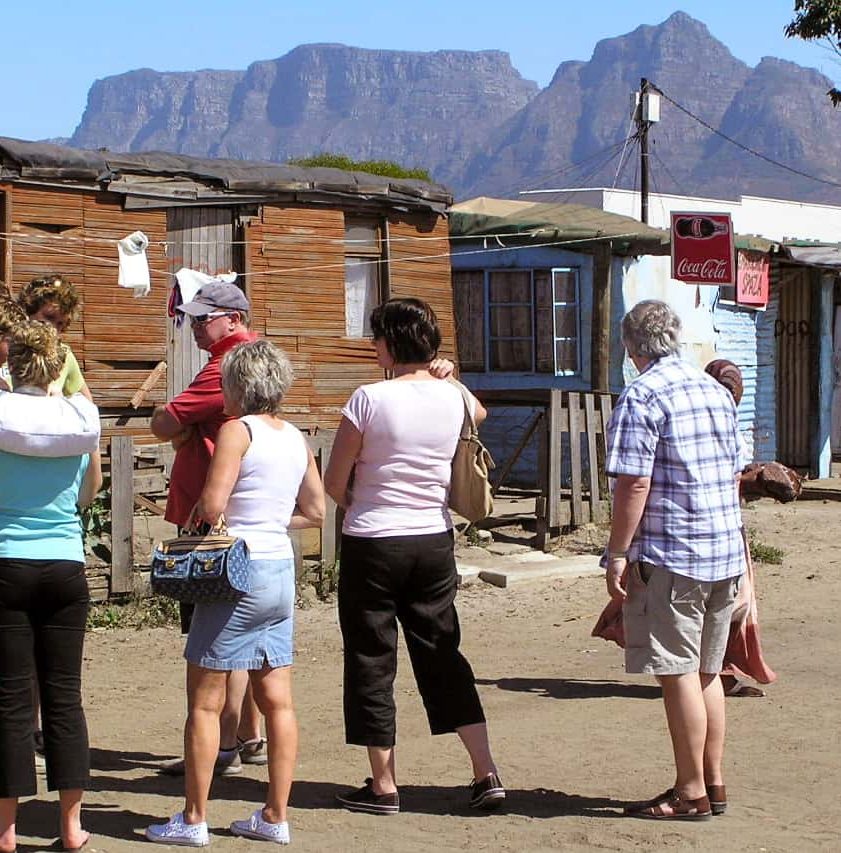
Langa is not another picturesque stop on the Cape Town tourist trail; it is the city’s vital, beating heart. This is where you trade guidebooks for real human connection and scripted tours for spontaneous cultural immersion.
Real homes, real people, real conversations — not staged experiences.
Langa's culture is an enduring testament to the power of the human spirit to create joy, meaning, and connection even in the face of systemic adversity.
Hamilton Naki Square is a crucial stop, dedicated to the brilliance apartheid couldn't contain. It commemorates Hamilton Naki, the self-taught surgical assistant who was essential to the world’s first heart transplant. Despite his foundational role, racial laws cruelly barred him from formal recognition.
Guga S’thebe is the cultural soul of Langa. This vibrant centre bursts with colour, murals, and the sound of drums, dance, and laughter. It’s where artists, sculptors, and performers come together to celebrate African creativity.
This small yet powerful museum stands as a reminder of apartheid’s cruel pass laws. Once a site of control, the Langa Pass Office is now a place of reflection — where visitors learn about the daily struggles of black South Africans who had to carry identification papers to move around their own country.
Forget the cocktail bar—this is where you truly taste South African culture. Umqombothi is the centerpiece: a thick, traditional Xhosa beer brewed from maize, sorghum malt, yeast, and water. The tradition of the Shebeen (an informal tavern) is rooted in defiance; these spaces were vital social and political hubs created when apartheid restricted legal meeting places.
The Langa Art Gallery captures the soul of the township through the eyes of its artists. Each piece tells a story — of pain, beauty, resistance, and pride. The gallery showcases both established and emerging township artists whose work reflects the transformation of Langa from a site of oppression into a space of expression and hope.
These long, rectangular structures were built to enforce the migrant labor system. They were single-sex dormitories intended only for men, keeping families separated. These hostels became symbols of apartheid's cold-hearted segregation and dehumanization.